
About All Tours Day ToursTours from ReykjavikLava Cave ToursPrivate Tours Directions Hours & Fees Guides
Find Tours 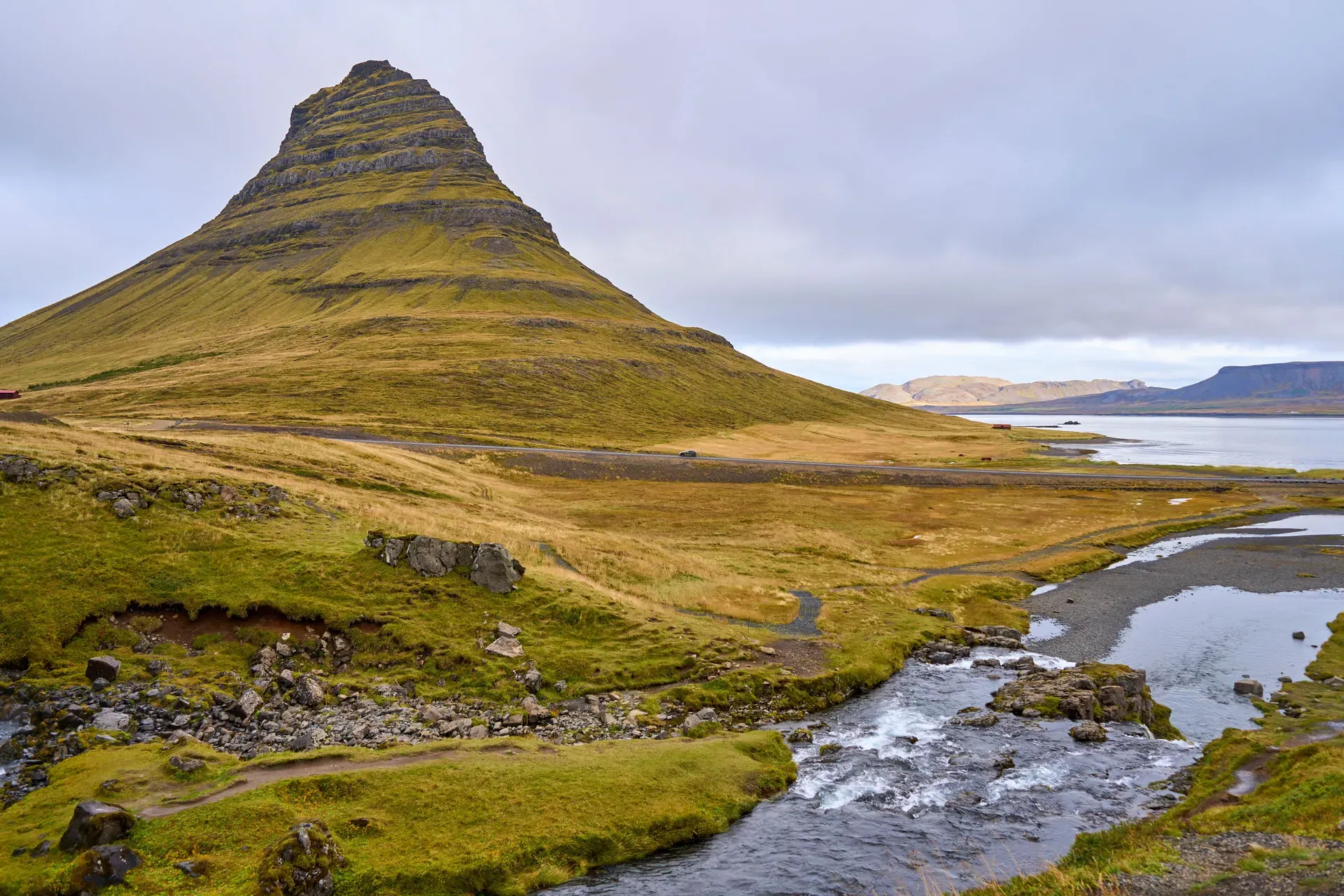
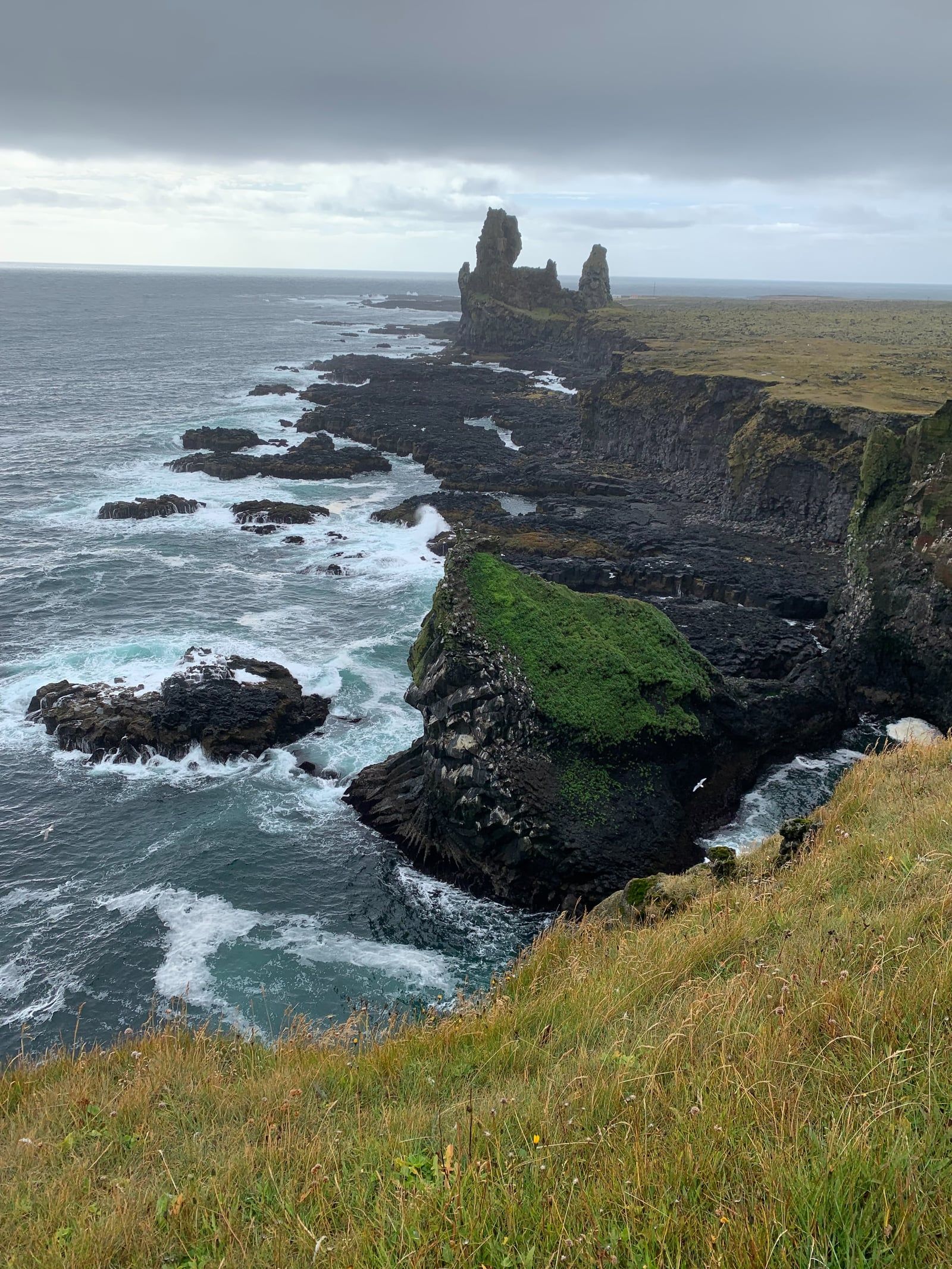
A 1,446-metre glacier-capped volcano that Jules Verne chose as the doorway to the Earth's core towers over this 90-km peninsula, where Kirkjufell's 463-metre arrowhead rises above Grundarfjörður and seals haul out year-round on the golden sand at Ytri Tunga. Locals call it Iceland in Miniature: black-pebble beaches, an 8,000-year-old lava tube, basalt sea stacks and puffin-crowded cliffs, all on a 165-km loop about two hours from Reykjavík.
Find Guided ToursSnæfellsnes is a roughly 90-km peninsula in western Iceland that squeezes the country's whole repertoire — glacier, lava fields, black and golden beaches, basalt cliffs, craters, fishing villages — into one driveable loop. Icelanders call it "Iceland in Miniature," and the nickname earns its keep. Anchoring the western end is Snæfellsjökull, a 700,000-year-old glacier-capped stratovolcano rising 1,446 m; its 183 km² flanks and coastline were protected as a national park on 28 June 2001.
Most of the world met this mountain in 1864, when Jules Verne sent the protagonists of Journey to the Center of the Earth down through its crater. Literary pilgrims have been arriving ever since. Icelanders had their own story first: the medieval Bárðar saga names the half-troll Bárður Snæfellsás as the peninsula's guardian, and he remains a local emblem.
In 2025, UNESCO designated Snæfellsnes as Iceland's first Biosphere Reserve under its Man and the Biosphere programme. The reserve spans 146,300 ha and is home to about 4,040 people. The reasoning was botanical as much as scenic: the peninsula hosts roughly 330 species of wild flowering plants and ferns, including rare Arctic-alpine specialists, and UNESCO counts over 70% of Iceland's flora within its bounds.
Offshore, grey seals and harbour seals work the coast year-round. Combine that with mineral springs, sea cliffs busy with nesting seabirds, and a volcano you can hike (with a guide, on the park's 3–5 hour Hard-rated glacier route), and you get a region that covers the full Icelandic checklist without the long drives between stops.
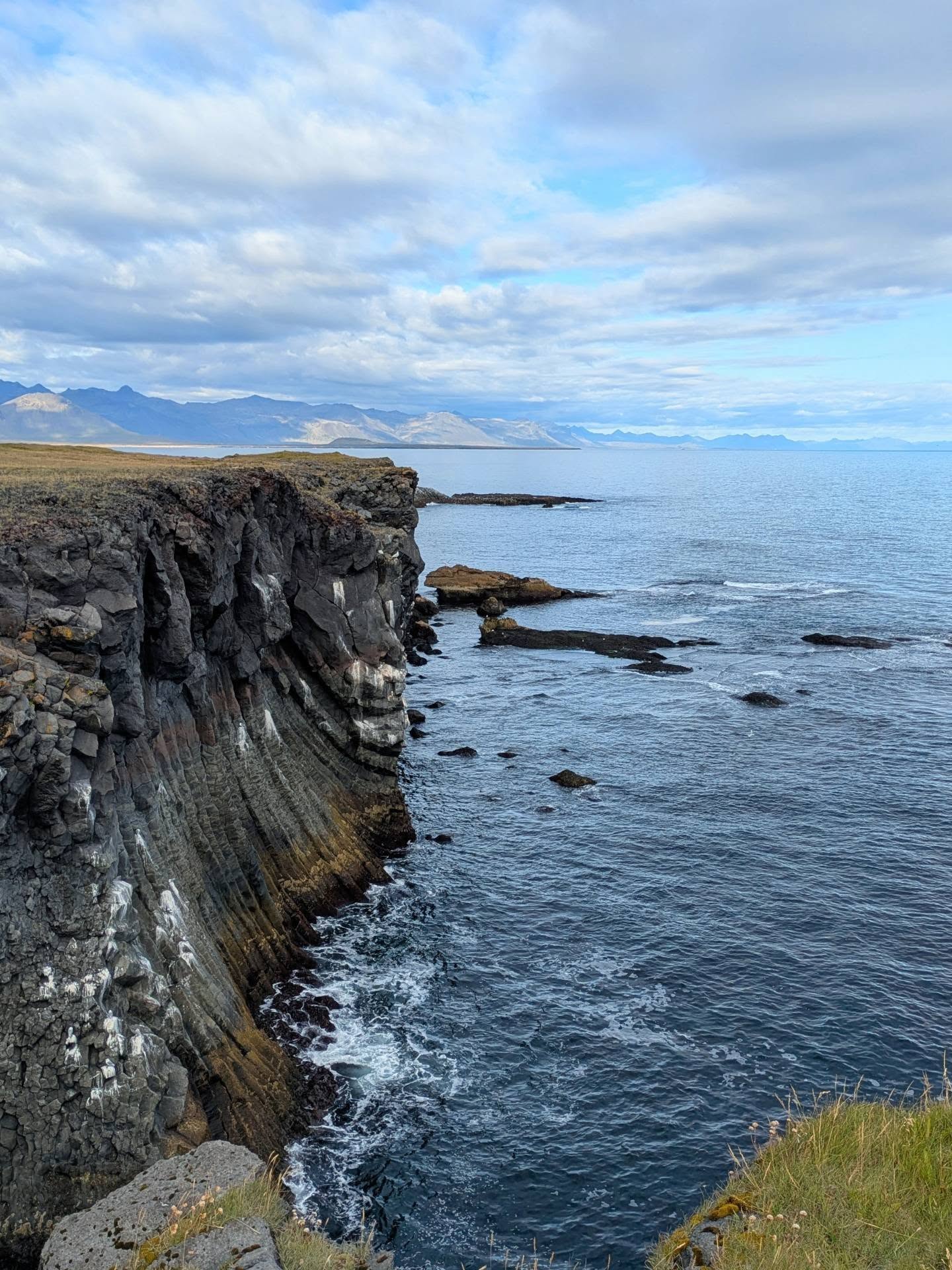
Discover the full history and cultural significance on our About page.
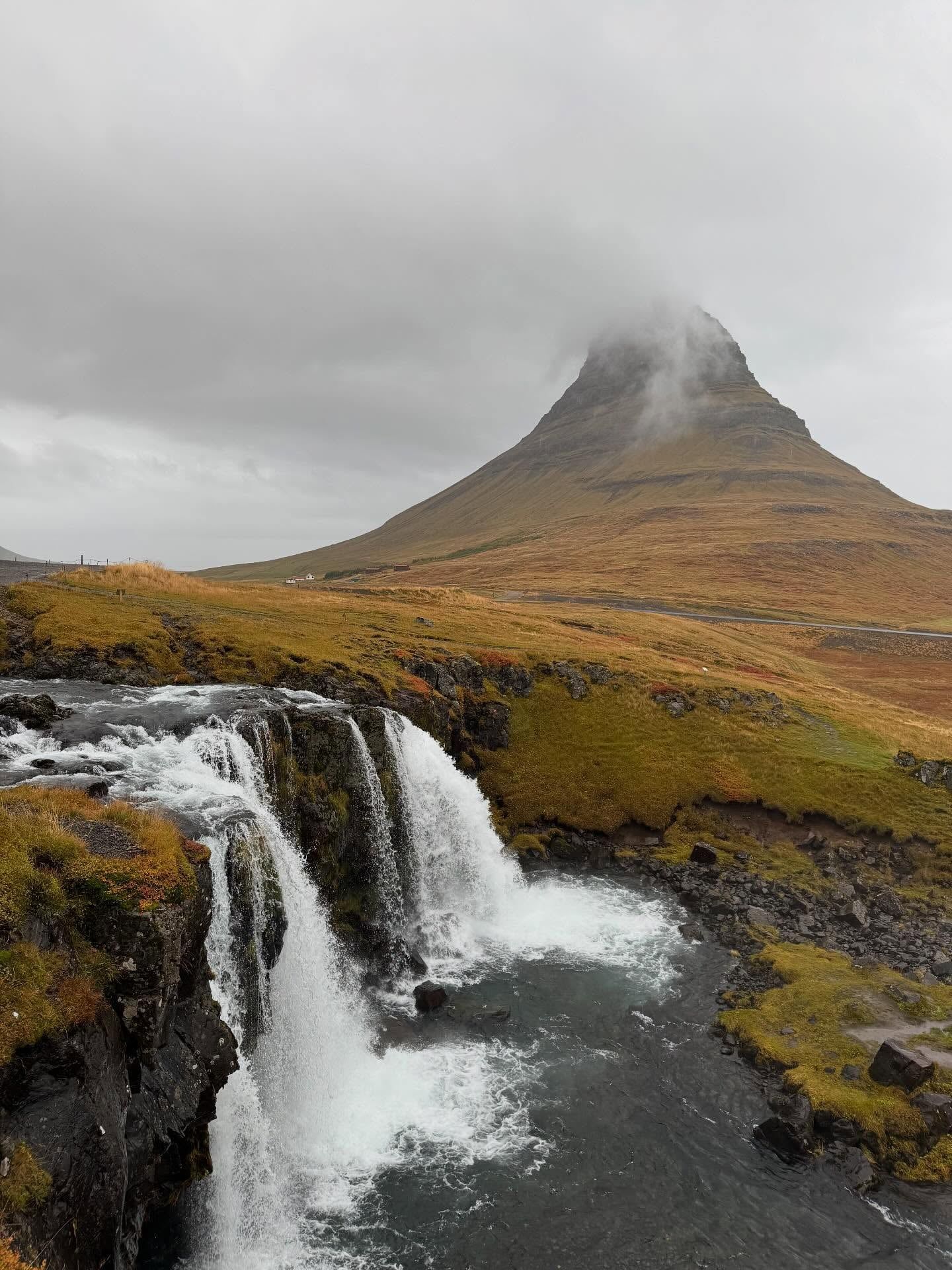
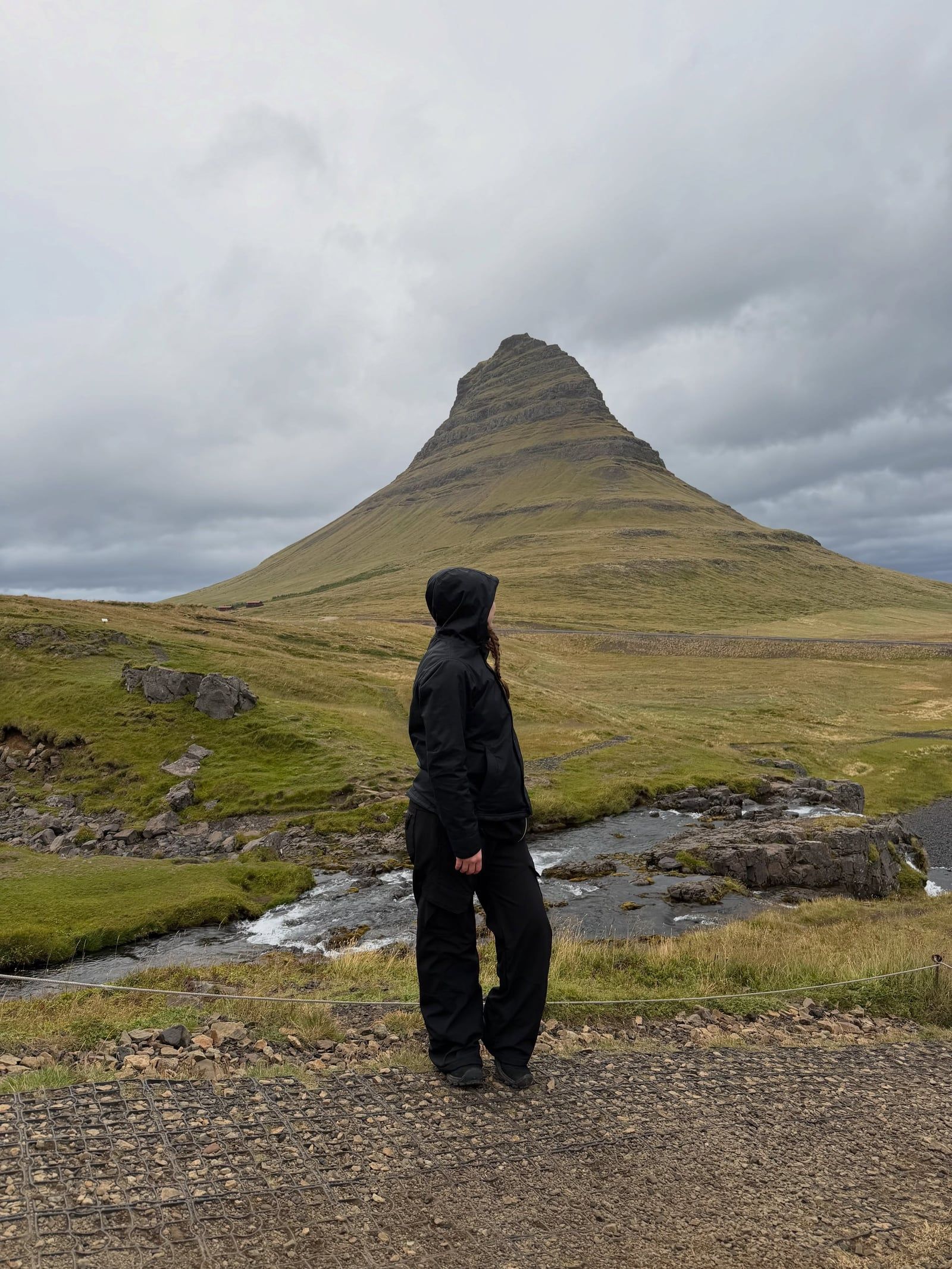
The 463-metre arrowhead above Grundarfjörður is Iceland's most photographed mountain, and the three-tiered Kirkjufellsfoss waterfall sits a short walk from the road. An easy coastal loop circles beneath it. In winter, Northern Lights often swirl directly behind the peak — check vedur.is for clear skies.
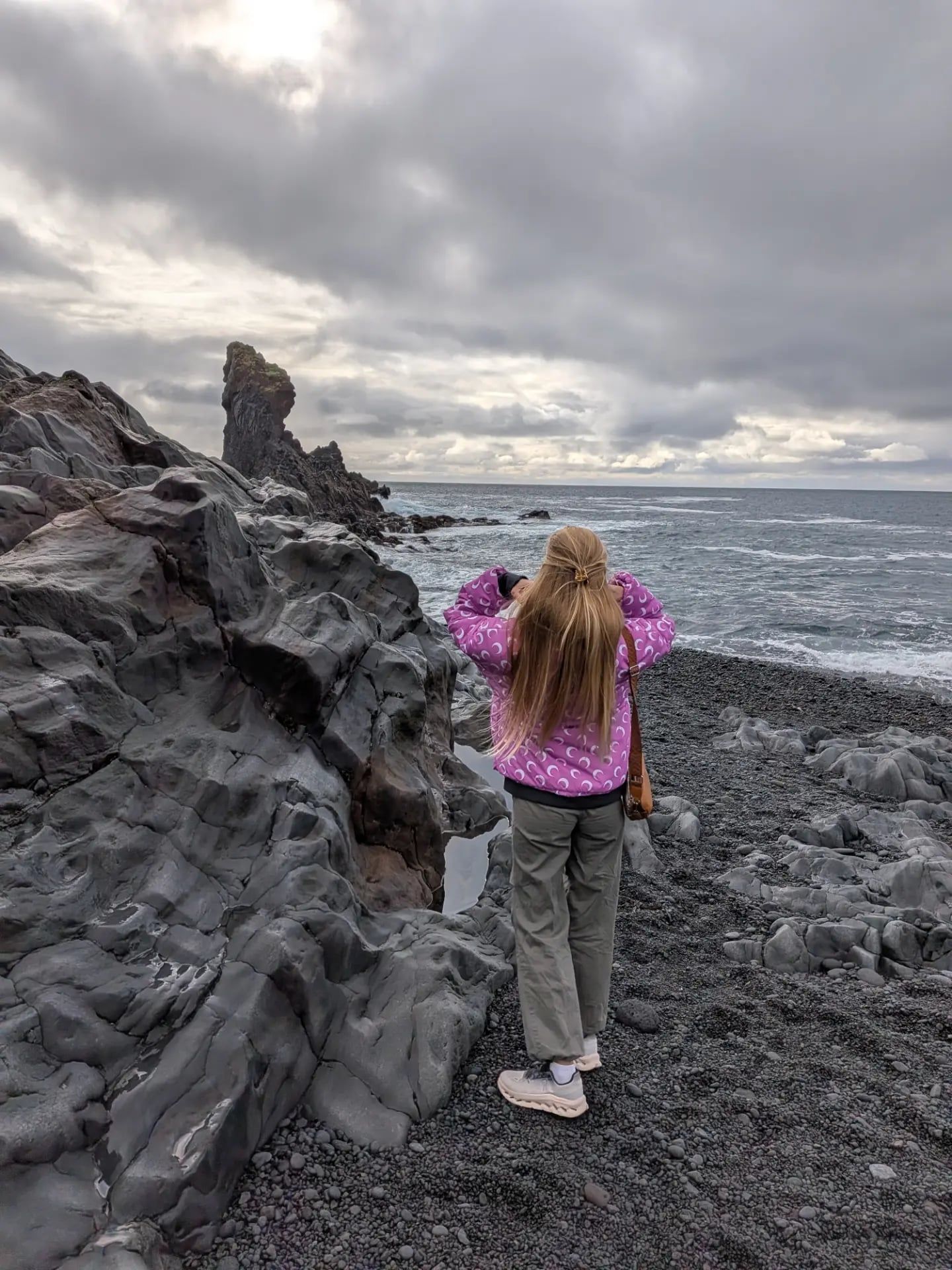
This black-pebble beach sits in a lava amphitheatre, reached through a gap in the cliffs. Four lifting stones once ranked fishermen, from the 23 kg Amlóði to the 154 kg Fullsterkur. Rusting fragments of a British trawler wrecked in 1948 lie scattered as a memorial. Stay back from the surf.
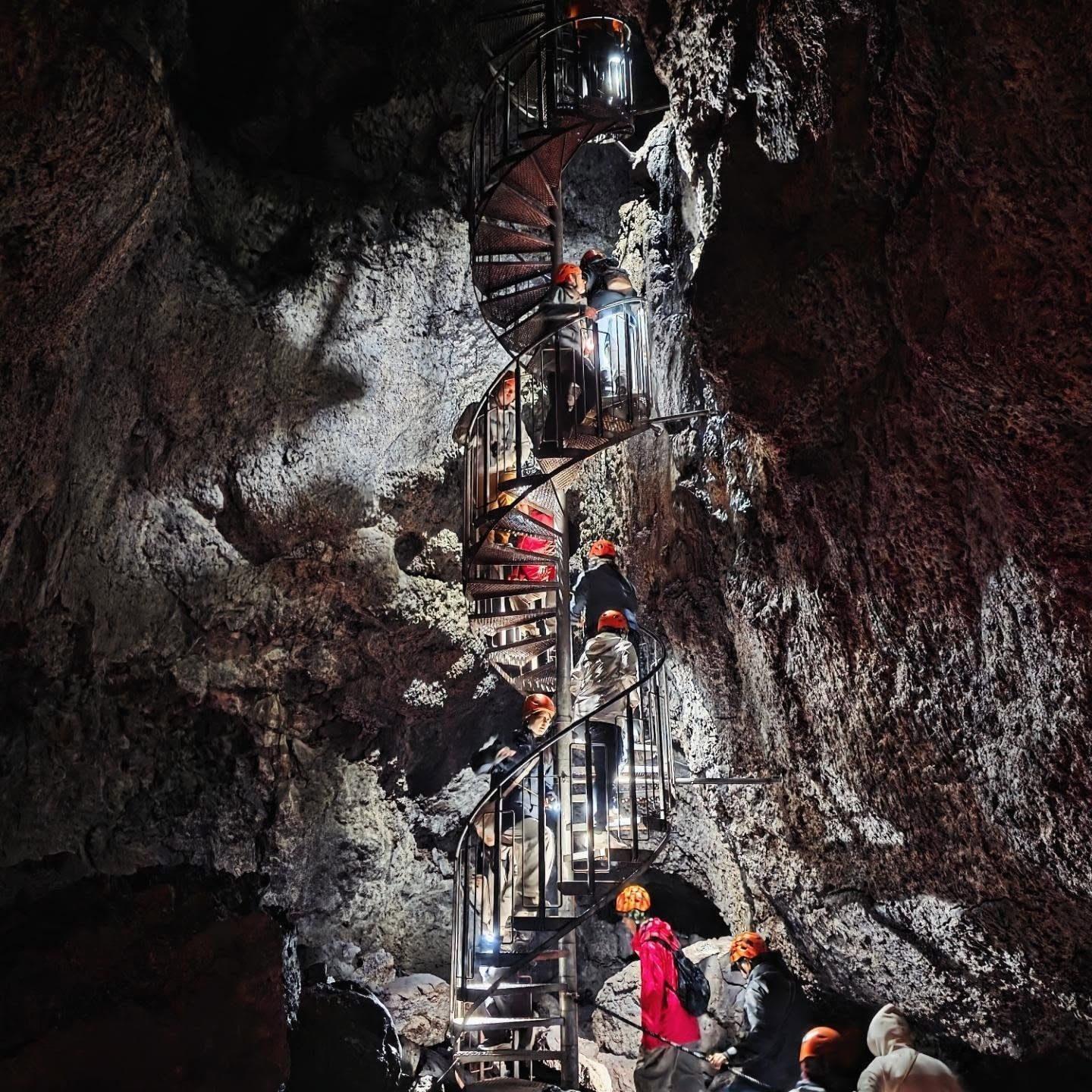
Vatnshellir is an 8,000-year-old lava tube under the volcano's flank, explored on 45-minute guided tours run year-round. You'll climb two spiral staircases in near-freezing air with a provided flashlight — headlamps aren't allowed. Adults pay ISK 5,900, and children 5–11 join free. Book online; it sells out.
On the peninsula's south coast, a golden-sand beach hosts a resident colony of harbour and grey seals that haul out year-round — one of Iceland's most reliable seal-watching spots. It's a short, flat walk from the parking area, which makes it an easy stop for families.
Book a small-group Snaefellsnes day tour from $143, with hotel pickup and free cancellation up to 24 hours before departure.
Swipe to see more
 Free Cancellation 11h
 Free Cancellation 11h
 Free Cancellation 192h
 Free Cancellation 12h Free Cancellation 11h Free Cancellation 11h Free Cancellation 12h
 Free Cancellation 12h Free Cancellation 11h Free Cancellation 11h Free Cancellation 12h Free Cancellation 12h
June through August is the best time: the midnight sun gives near-endless daylight, temperatures sit around 10–15°C, every road and trail is open, and puffins and seals are at their most active. Early September is the smart shoulder pick — thinner crowds and the first Northern Lights.
A shoulder season the research covers thinly. Aurora remains possible through April; drones are banned in the coastal park zone from 15 April, and the seasonal roads toward the glacier (570, F575) have not yet reliably reopened.
The sweet spot. Roughly 10–15°C, midnight-sun daylight, every road and trail open, and a 2WD handles the whole 165 km loop. Puffins nest on the cliffs and seals haul out at Ytri Tunga year-round.
Early September adds returning Northern Lights with thinner crowds. From September through April the aurora is visible — Kirkjufell is the classic foreground — but you'll need clear skies (check vedur.is) and October can bring early road closures toward the glacier.
Only 5–7 hours of daylight, snow, ice, and frequent storms; a 4x4 is strongly recommended and roads 570/F575 close seasonally. December and January are the harshest, though aurora photography peaks.
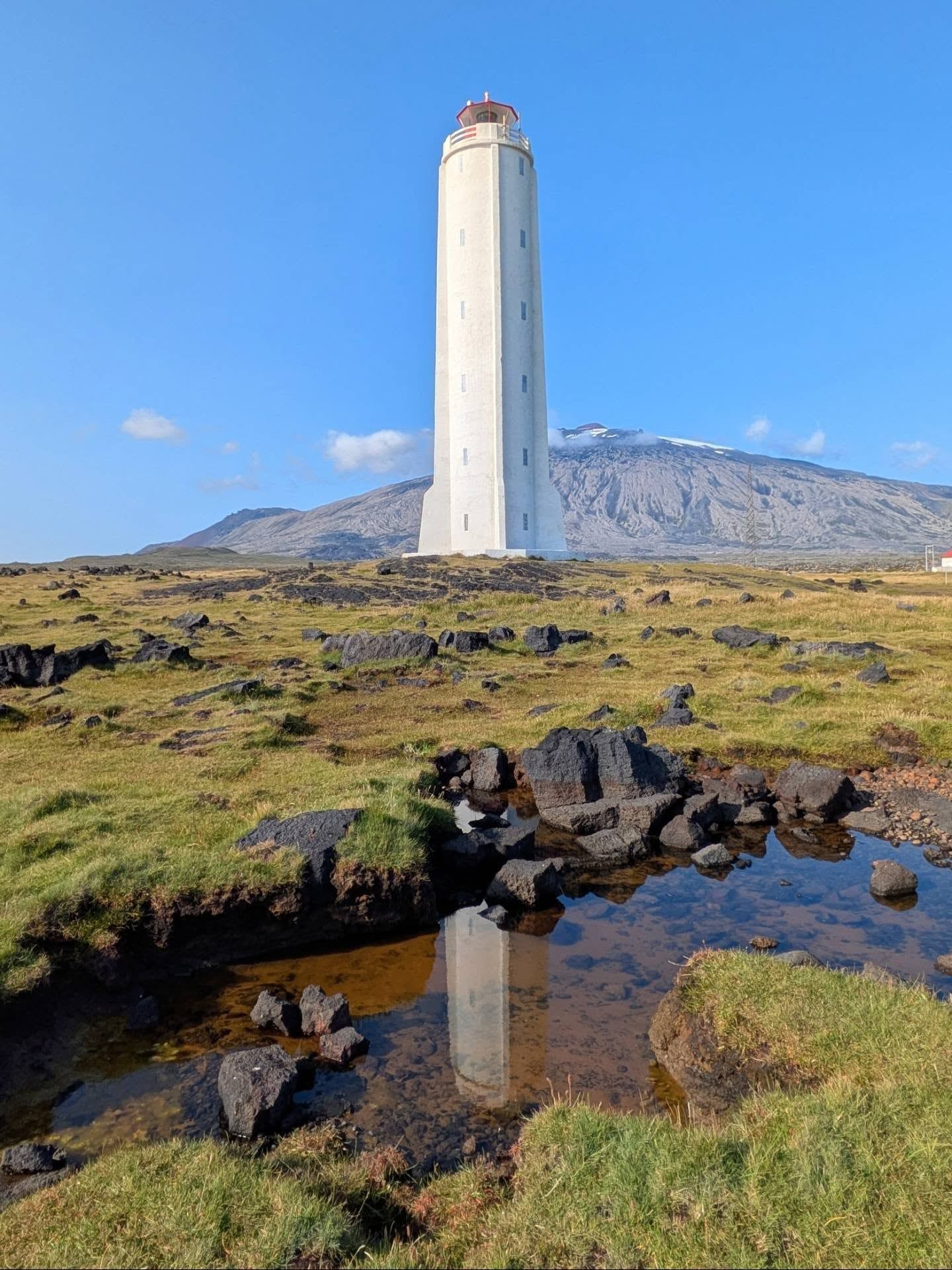
The peninsula itself — including Snæfellsjökull National Park — never closes: it's open 24/7, year-round, with no gates or set hours. Restrooms at both visitor centers (Hellissandur and Malarrif) are open 24/7 too. The two staffed centers keep their own schedules: the National Park Center in Hellissandur (phone 661 1500) is open daily 09:30–17:00, though its website also lists 10:00–16:00, so call ahead to confirm. Malarrif Visitor Centre (phone 661 9788) is open daily 10:30–16:30; its page also cites 11:00–16:00. The Malarrif lighthouse is closed to the public, and the seasonal toilets at the Djúpalónssandur parking lot operate only in summer.
| Category | Price |
|---|---|
| Entry to Snæfellsjökull National Park (on foot) | Free — there is no entrance fee |
| Parking/service fee — motorcycle | ISK 450 |
| Parking/service fee — passenger car (up to 5 passengers) | ISK 1,100 |
| Parking/service fee — passenger vehicle (6–9 passengers) | ISK 1,400 |
| Parking/service fee — bus (10–21 passengers) | ISK 2,700 |
| Parking/service fee — bus (22–32 passengers) | ISK 5,200 |
| Parking/service fee — bus (33+ passengers) | ISK 9,400 |
| Vatnshellir lava cave tour — adult | ISK 5,900 (includes 11% VAT) |
| Vatnshellir lava cave tour — senior (65+) or student | ISK 4,600 |
| Vatnshellir lava cave tour — teenager (12–17) | ISK 2,600 |
| Vatnshellir lava cave tour — child (5–11) | Free |
| Vatnshellir lava cave tour — child under 5 | Not admitted |
The parking/service fee is a single payment valid until midnight across the entire national park — pay once at Djúpalónssandur and it also covers Saxhóll, Lóndrangar and every other car park the same day. Pay via the Parka app, the QR code at each parking area, or the kiosk at Malarrif Visitor Centre, and do it before you walk away from the car. The Vatnshellir cave tour (45 minutes, run year-round by Summit Adventure Guides, the sole licensed operator) must be pre-booked online — slots sell out quickly, so reserve early, arrive at least 10 minutes before your tour, and note that free cancellation or rescheduling applies up to 4 hours before departure. Helmets and flashlights are provided; headlamps aren't allowed inside. No permit or booking is needed for a regular visit to the park itself.
For complete schedules and ticket prices, visit our Hours & Fees page.
Snæfellsnes sits about 140 km (roughly 2 hours) north of Reykjavík — drive Route 1 to Borgarnes, then Route 54 west, or take an ~11-hour guided coach tour from the capital. Public buses reach the peninsula's towns but none of its natural sights, so you'll need a car or tour for anything beyond the villages.
📍 No street address exists — Snæfellsnes is a roughly 90-km peninsula in western Iceland, not a single attraction. Route it as Snæfellsnes Peninsula, western Iceland (the main road is Route 54, with the national park at the western tip).
Drive Route 1 north to Borgarnes, then continue on Route 54 to the peninsula — about 140 km one way, roughly 2 hours each way. There are no road tolls on this route. A 2WD handles the full loop in summer; from November to March, rent a 4x4, since ice and short daylight make the drive considerably harder. Once there, the full sightseeing circuit runs about 165 km.
Most visitors fly into Keflavík and drive via Reykjavík and the Hvalfjörður tunnel to Borgarnes before turning onto Route 54 — about 190 km, taking roughly 3–3.5 hours with the Reykjavík transit. That makes the peninsula an easy first or last stop on a west-Iceland itinerary. Check road conditions on umferdin.is before departure, especially October through April.
Route 58 links Stykkishólmur, Grundarfjörður and Borgarnes year-round, connecting with Route 50 in Borgarnes for Reykjavík. The Borgarnes–Stykkishólmur leg covers about 160 km and takes roughly 2.5 hours; fares are zonal, with a ride on that leg cited around 6,070 ISK. Children under 12 ride free, and youth 12–17 and seniors 67+ get 50% off. The catch: no bus serves the natural attractions, so this drops you in towns only.
Operators including Reykjavik Excursions, Arctic Adventures, BusTravel Iceland and Wake Up Reykjavik run coach and small-group day trips of about 11 hours, with hotel or bus-stop pickup in Reykjavík. The round trip covers roughly 300 km and typically includes Kirkjufell, Arnarstapi, Djúpalónssandur and Ytri Tunga. Small-group tours run from about 24,500–28,990 ISK per adult. Private full-day tours start around 360,000 ISK for up to 12 guests.
For detailed transport options and routes, visit our Directions page.
The ISK 1,100 car fee inside Snæfellsjökull National Park is valid until midnight park-wide, so pay once at your first stop and Djúpalónssandur, Saxhóll and Lóndrangar are all covered. Use the Parka app, the QR code at each lot, or the kiosk at Malarrif Visitor Centre. Pay before you walk away from the car.
The 45-minute lava cave tours with Summit Adventure Guides sell out fast, so reserve online well ahead. Arrive 10 minutes before your slot — the nearest restrooms are at Malarrif, a 3-minute drive away. Adults pay ISK 5,900, kids 5–11 go free, and under-5s can't enter. Free rescheduling applies up to 4 hours before departure.
There are no trash cans anywhere in the national park — whatever you carry in leaves with you. The 24/7 restrooms at Hellissandur's National Park Center and Malarrif Visitor Centre are your reliable facilities, plus seasonal summer toilets at Djúpalónssandur. For food and coffee, plan on the villages: Hellissandur, Arnarstapi, Ólafsvík, or the cafeteria at the National Park Center.
November through March gives you only 5–7 hours of daylight, so pick two or three stops rather than attempting the full 165 km circuit. Local guides suggest driving the loop in reverse to catch Kirkjufell in morning light. Rent a 4x4, budget extra time for ice on Route 54/574, and know that roads 570 and F575 toward the glacier close seasonally.
Drones are banned inside the national park from 15 April to 15 September anywhere along the coast and below Útnesvegur road, unless you get Environment Agency permission — bird nesting season is the reason. Outside those dates you can fly, though national drone rules still apply. If you want aerials of Kirkjufell, that mountain sits outside the seasonal ban zone.
The Arnarstapi–Hellnar cliff path runs 2.5 km one way (about 45 minutes), which strands a car at one end. Either walk out and back — roughly 1.5 hours total — or leave a second vehicle in Hellnar. With 2–3 hours and a pickup arranged, continue onto the 6 km Djúpalónssandur–Einarslón–Malarrif route instead. Puffins nest on the ledges below in summer.
A half-kilometre wall of hexagonal basalt columns, 7-14 m tall and so regular it looks machine-cut. It's free, open year-round, and most visitors spend 30-60 minutes on the path at its base.
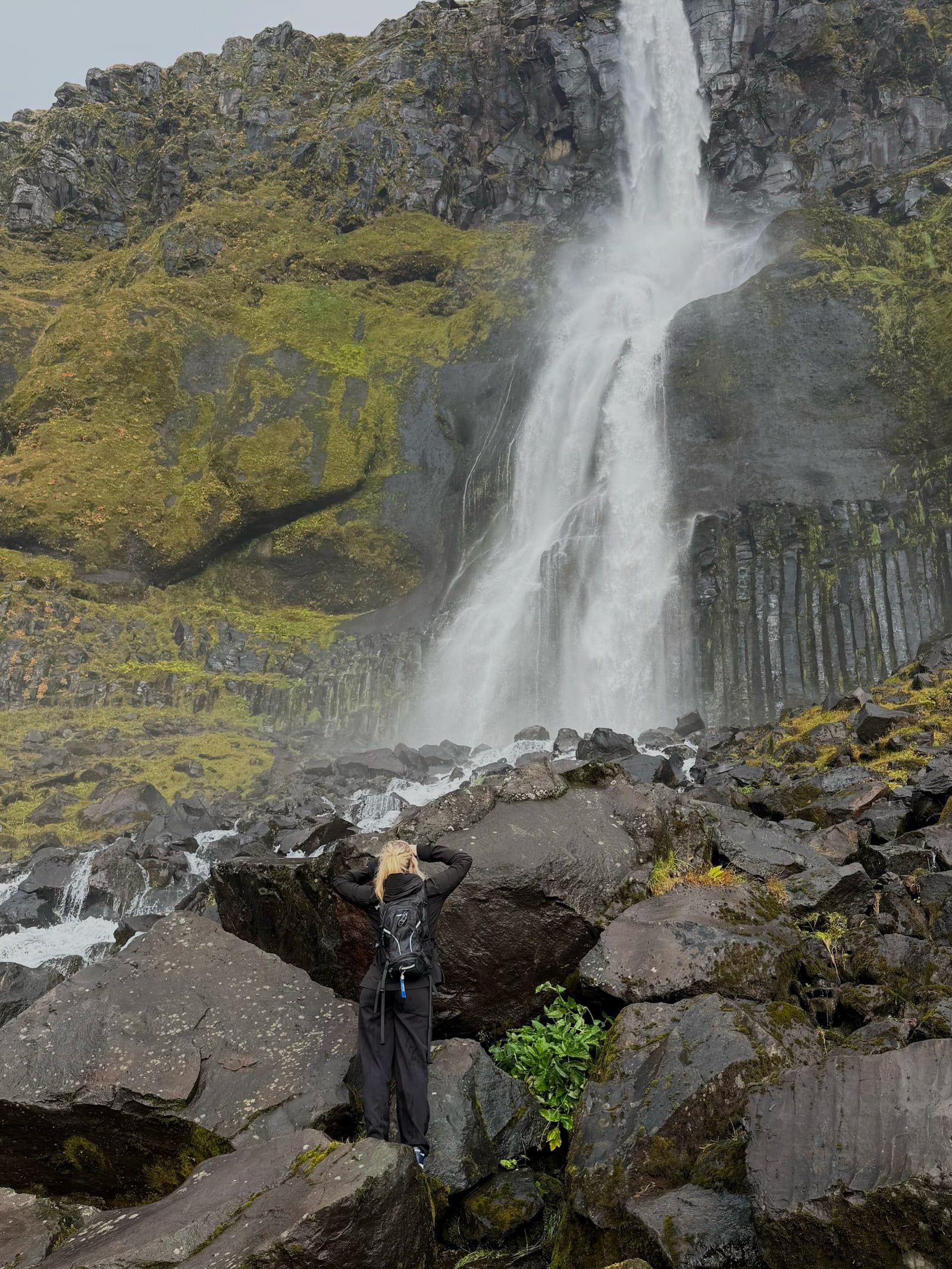
A narrow slot canyon splitting the Botnsfjall cliff, with a stream you can wade into when the weather is calm. Legend says the half-troll Bárður Snæfellsás shoved his nephew Rauðfeldur into it — the name means 'red-cloak rift.'
A scoria crater rising from the Eldborgarhraun lava field, reached on marked walking trails from the Snorrastaðir parking area (donations welcome). The approach crosses mossy lava, which makes it a satisfying leg-stretcher en route to or from Snæfellsnes.
Read what travelers share about their experience visiting Snaefellsnes — from practical tips to personal highlights.
Planning advice, comparisons, and practical tips.
Yes — Snæfellsnes is genuinely one of the best places in Iceland to watch the northern lights, and on a clear night your main problem will be…
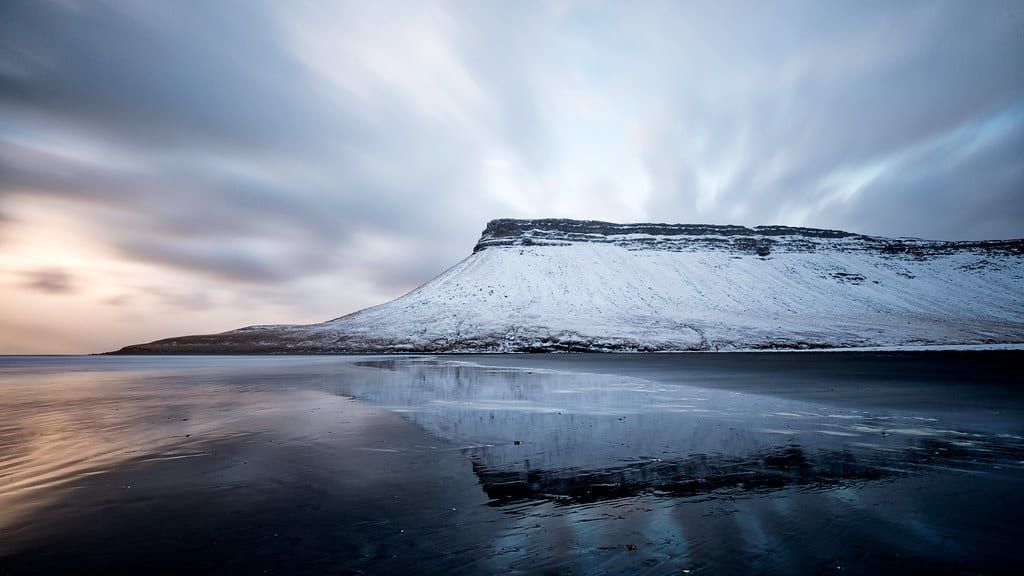
Snaefellsnes rewards an overnight stay more than almost any region its size in Iceland. The peninsula runs about 90 km west from Borgarnes, with the…
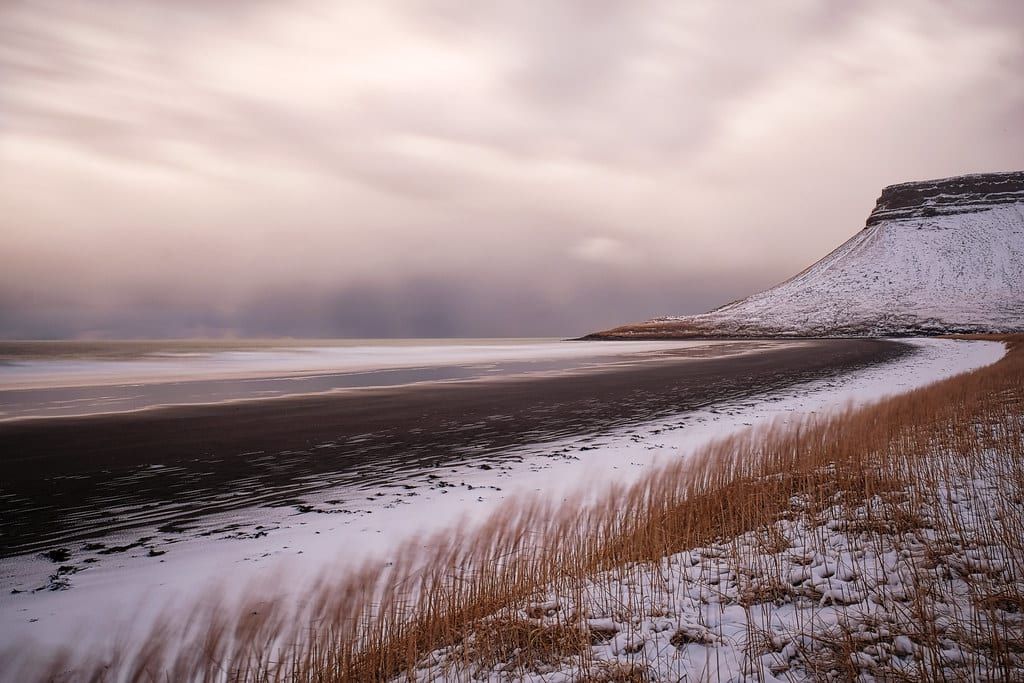
Snaefellsnes compresses nearly everything people cross the Atlantic for — a glacier-capped volcano, black and golden beaches, lava fields, basalt sea…
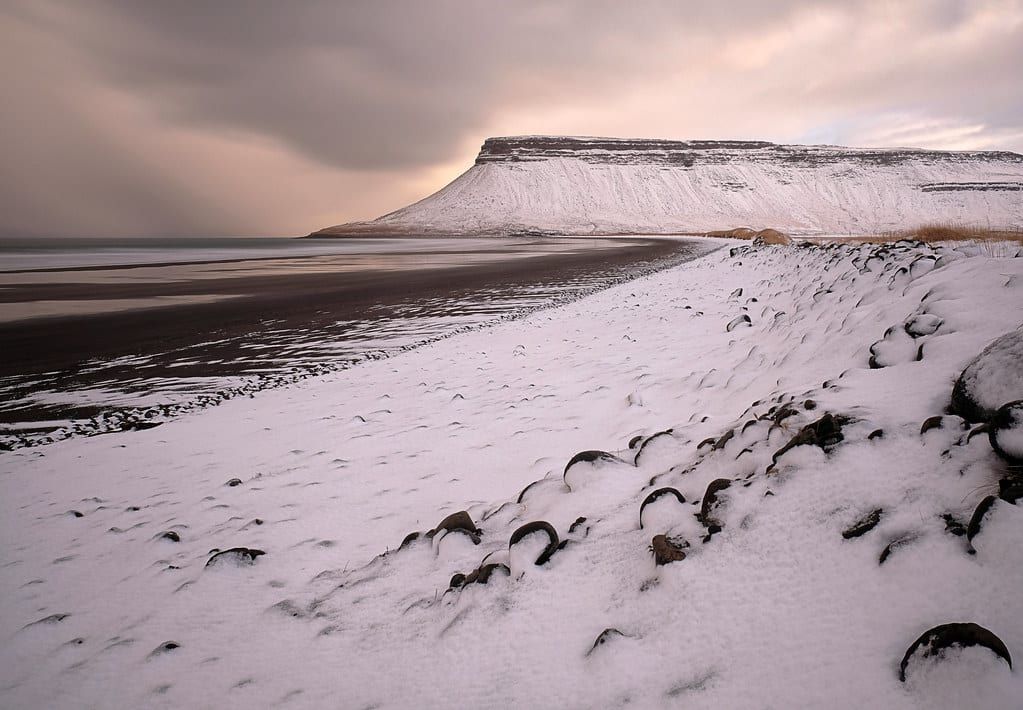
Yes, Snæfellsnes works in winter — and for the right traveller it works beautifully. The peninsula's glacier volcano, black beaches and 463-metre…
There's no entrance fee — the national park is free to enter on foot. If you drive in, you pay one parking/service fee: ISK 1,100 for a passenger car (up to 5 people), ISK 450 for motorcycles, and up to ISK 9,400 for large buses. That single payment is valid until midnight across the entire park, so one ticket covers Djúpalónssandur, Saxhóll and Lóndrangar, paid via the Parka app, a QR code at the lot, or the kiosk at Malarrif Visitor Centre.
Yes, but it's a long one. The drive is about 140 km each way (roughly 2 hours), and the full sightseeing loop around the peninsula adds another 165 km, so expect a 10–12 hour day. Guided coach tours from Reykjavík run about 11 hours and cost from roughly 24,500–28,990 ISK per adult; with two days you can add the Vatnshellir cave tour and longer hikes like Arnarstapi–Hellnar without rushing.
June through August, when you get the midnight sun, temperatures around 10–15°C, every road open, and puffins and seals at their most active — a standard 2WD handles the whole loop then. Early September brings back the Northern Lights with thinner crowds. From November to March you're down to 5–7 hours of daylight, snow and storms close mountain roads like the F575, and a 4x4 is strongly recommended.
In summer, no — a 2WD covers the main Route 54/574 loop. In winter (November–March), a 4x4 is strongly recommended, and the roads toward the glacier — Route 570 and the F575 — close seasonally, with the F575 open only to 4x4s when it's open at all. Check umferdin.is and vedur.is the same morning before setting out.
Partly. Strætó Route 58 runs year-round between Stykkishólmur, Grundarfjörður and Borgarnes (the Borgarnes–Stykkishólmur leg is about 160 km, roughly 2.5 hours, around 6,070 ISK, connecting to Route 50 for Reykjavík), but no buses serve the natural attractions. You'll need a rental car or a day tour for Kirkjufell, Djúpalónssandur and the rest — Route 58 only drops you in towns.
Sturdy shoes, a water bottle, light waterproof layers, sunglasses and a spare pair of socks in summer; in winter add thick warm layers, gloves and hiking poles. There are no trash cans anywhere in the national park, so bring a bag and carry everything out. If you're doing the Vatnshellir cave tour, warm clothes, gloves and good shoes are required — high heels, flat-bottom shoes and flip-flops are turned away.
Book online in advance with Summit Adventure Guides, the cave's sole licensed operator — the 45-minute tours run year-round and sell out quickly. Adults pay ISK 5,900, seniors (65+) and students ISK 4,600, teenagers 12–17 ISK 2,600, and kids 5–11 go free (under-5s aren't admitted). Arrive 10 minutes before your slot; helmets and flashlights are provided, and cancellation is free up to 4 hours before departure.
Partially. Djúpalónssandur has a wheelchair-accessible viewing platform (the path down to the pebble beach itself is uneven stones and steps), and there are paved paths near Malarrif Visitor Centre plus wheelchair-friendly shoreline paths at Arnarstapi and Hellnar. Families get an easy time of it: kids 5–11 join the cave tour free, Ytri Tunga's seal beach is a short flat walk, and Malarrif has a children's corner and picnic tables — just hold hands at cliff edges, since there are no barriers and sneaker waves strike without warning.
Browse verified tours with free cancellation and instant confirmation.
Find Tours


