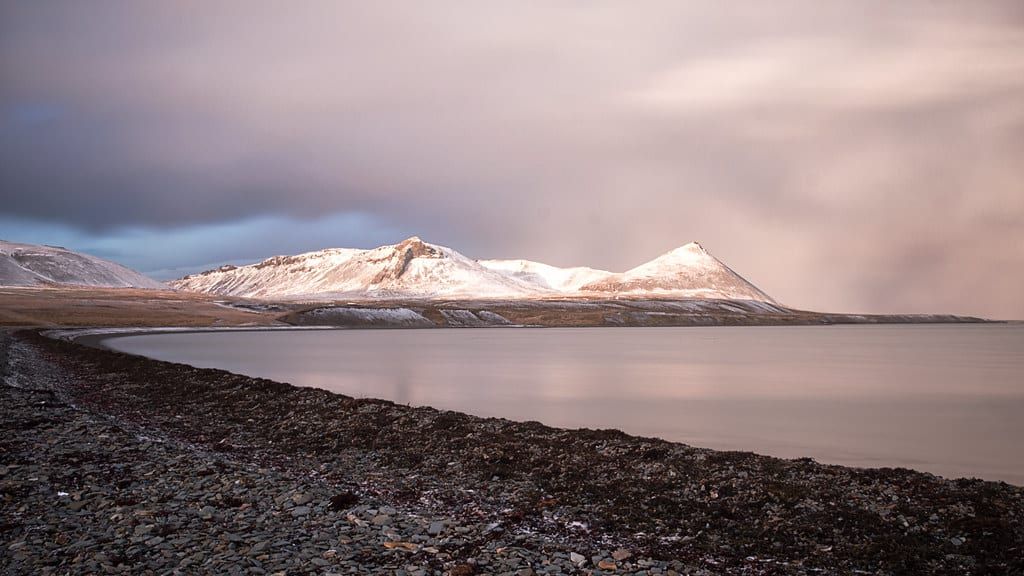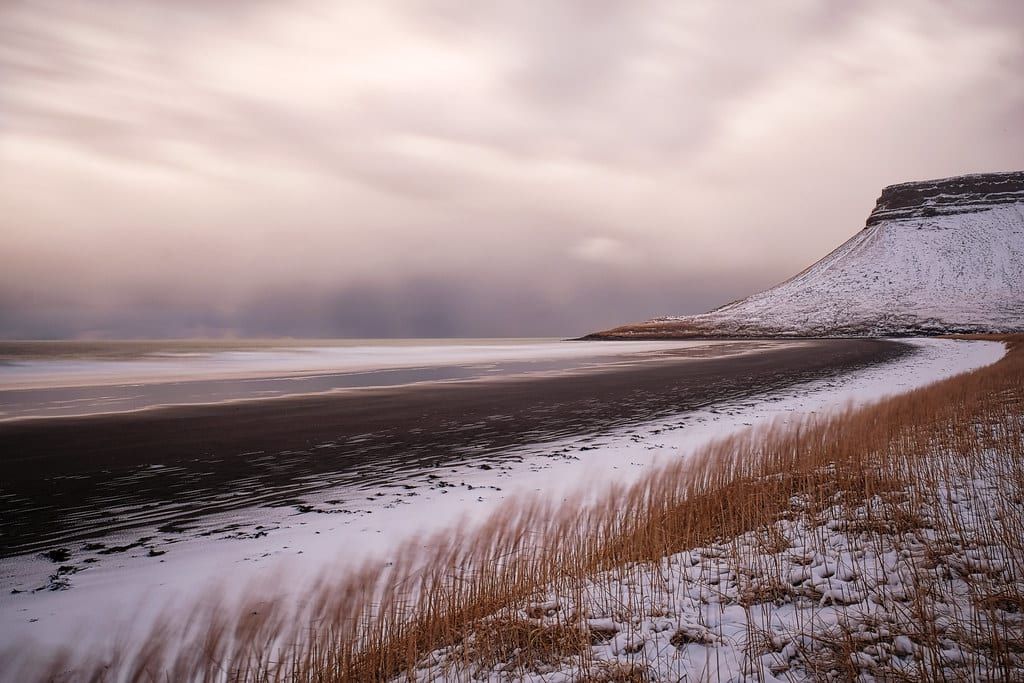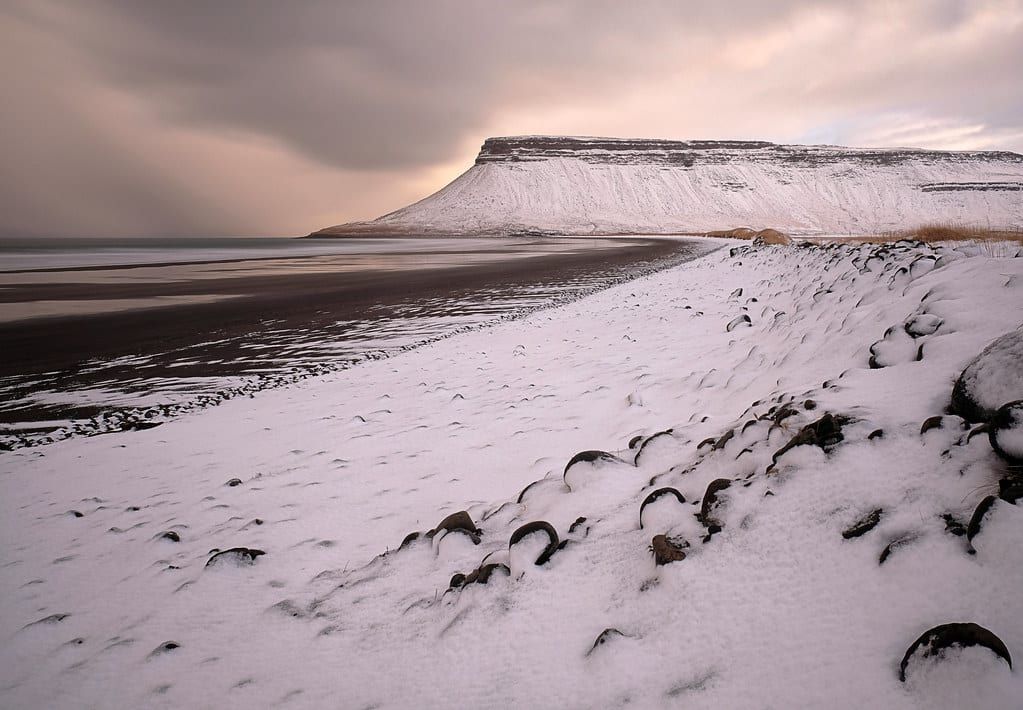
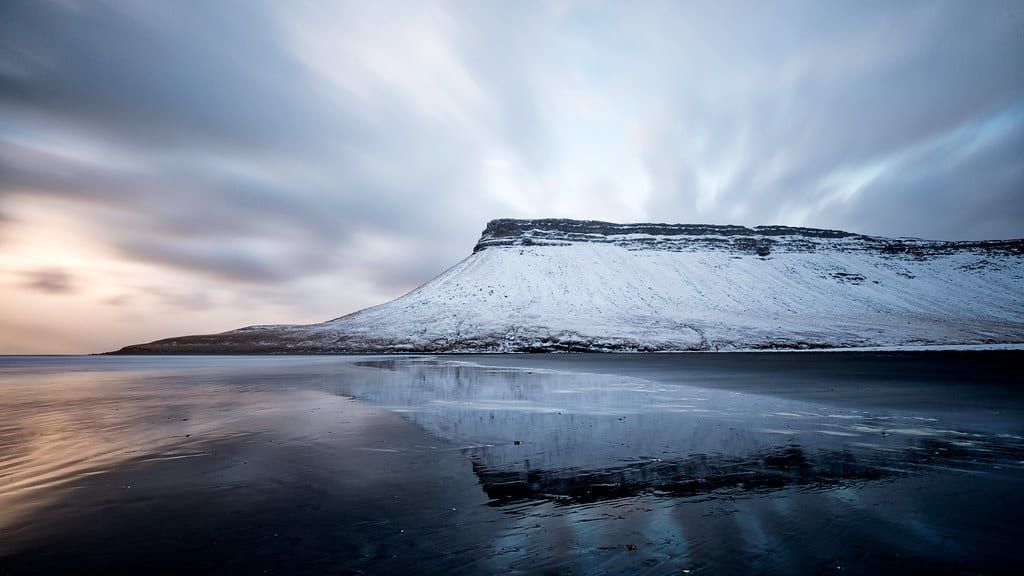
Snaefellsnes rewards an overnight stay more than almost any region its size in Iceland. The peninsula runs about 90 km west from Borgarnes, with the glacier Snæfellsjökull (1,446 m) at its tip, fishing villages strung along two coasts, and a full driving circuit of roughly 165 km. Driving the whole loop without stops takes 4–5 hours, so your base decides how much of your evening and early morning you spend on the sights rather than behind the wheel. This guide covers every viable base — on the peninsula and just outside it — with named places to sleep, what each village does and doesn't have, and how to match your nights to the rest of your Iceland trip.
Where to Stay in Snaefellsnes Peninsula at a Glance
There are no big towns here — Stykkishólmur and Grundarfjörður are the largest settlements — so "where to stay" means choosing which village or countryside spot to anchor on. Everything on the loop sits within roughly 30–40 minutes' drive of everything else, which is why one base usually beats hotel-hopping. Match your priority to the pick below and you can stop researching.
| Your priority | Base | Where to book | Price tier |
|---|---|---|---|
| Comfort and services | Stykkishólmur | Hótel Egilsen or Fosshotel Stykkishólmur | ISK 28,000–55,000 |
| Kirkjufell at dawn and dusk | Grundarfjörður | Kirkjufell Guesthouse | Budget to mid-range |
| Cliff walks, national park | Arnarstapi | Arnarstapi Hotel or Fosshotel Hellnar | Mid-range |
| The splurge | Búðir | Hotel Búðir | ISK 60,000+ |
| Cheapest bed | Rif | The Freezer Hostel | From ~ISK 8,000 |
| Aurora from your window | Grundarfjörður area | Dís Cottages | Budget to mid-range |
From Reykjavík, Stykkishólmur is about a 2-hour drive; Arnarstapi and Búðir on the south shore, about 2.5. The trade-offs are simple: the north shore (Stykkishólmur, Grundarfjörður) has the supermarkets and restaurants, while the south shore has the postcard scenery but far fewer services after dark.
How to Choose Your Base: Drive Times and Services
Three factors decide your base, in order of weight. First, how your itinerary enters and exits the peninsula — from Reykjavík, via the Westfjords ferry from Stykkishólmur, or onward along the Ring Road through Borgarnes. Second, what services you need at night: a restaurant, a supermarket, fuel. Third, light pollution, if aurora is on your list. Darkness costs nothing on the peninsula, but town glow kills it.
Getting there is straightforward but car-only in practice. You drive Route 1 north to Borgarnes, then Route 54 west; Reykjavík to Grundarfjörður is about 2h30. There's no airport on Snaefellsnes, and while Strætó Route 58 links Stykkishólmur, Grundarfjörður and Borgarnes year-round, no bus serves any of the natural sights — a rental car is effectively required for an overnight stay. Our getting-to-Snaefellsnes guide covers routes and seasonal road conditions in detail.
Distances between the accommodation towns rarely exceed 30 km. Sample drives: Borgarnes–Grundarfjörður about 1h20, Grundarfjörður–Arnarstapi about 45 minutes, Grundarfjörður–Stykkishólmur about 30 minutes. So the wrong base costs you an extra half-hour here or there, not a disaster — but dinner can be. Stykkishólmur and Grundarfjörður have proper restaurants and shops; Arnarstapi runs on daytime cafés; Búðir has one hotel restaurant and nothing else.
What each zone puts on your doorstep: Stykkishólmur gives you the Baldur ferry and boat tours on Breiðafjörður; Grundarfjörður gives you Kirkjufell; Arnarstapi and Hellnar put you at the southern edge of Snæfellsjökull National Park; Rif and Hellissandur sit closest to the park's western side, including the Malarrif visitor centre. If you want the full sightseeing picture before choosing, read our things-to-do guide for the peninsula.
Stykkishólmur: Best for Town Comfort and the Westfjords Ferry
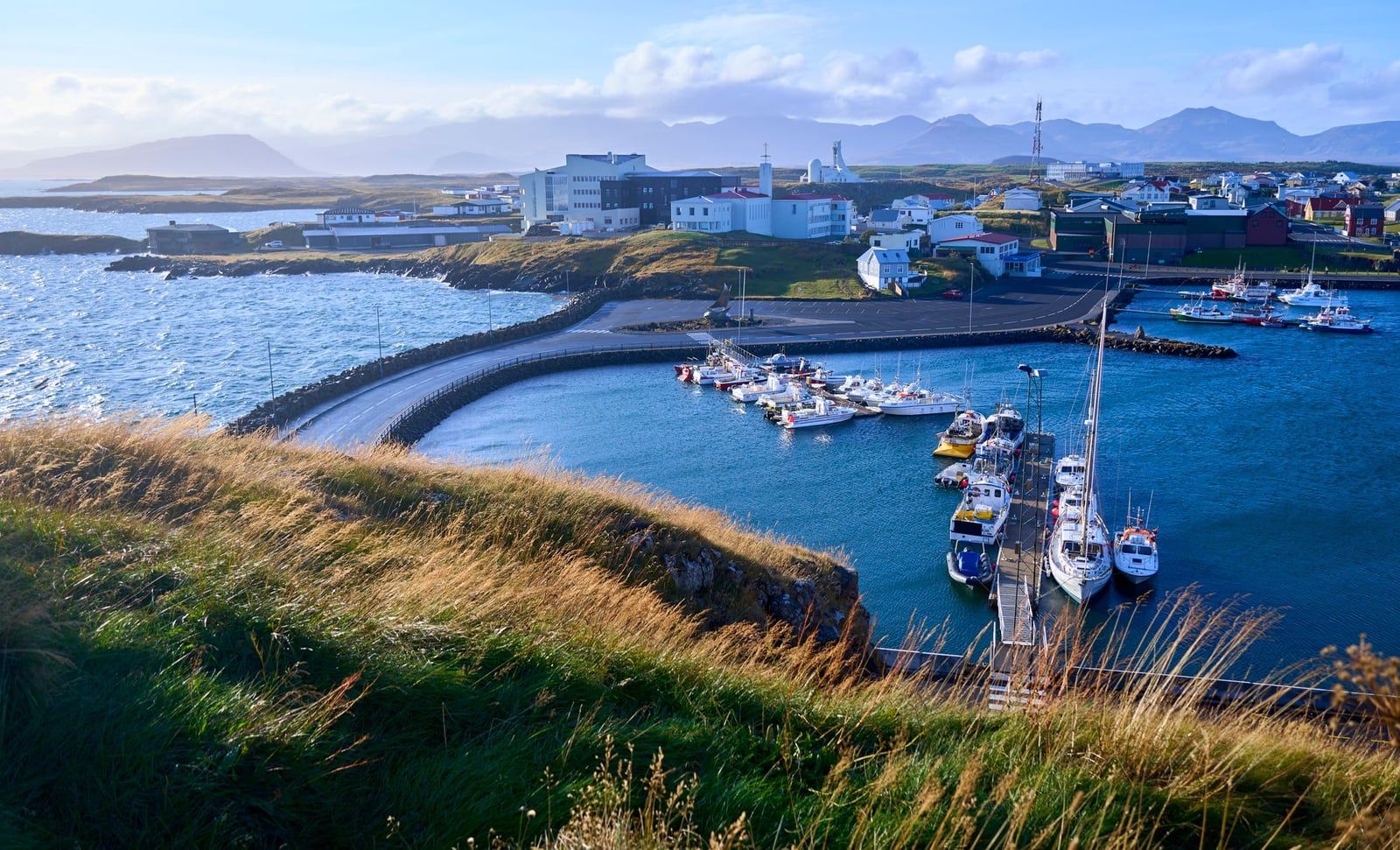
Stykkishólmur is the peninsula's biggest town and the only one where you can park the car and not use it again until you leave. There's a Bónus supermarket for self-catering, several proper restaurants, a walkable harbor and old town, and summer boat and sea-kayaking tours out onto Breiðafjörður's islands. It's also the port for the Baldur car ferry to Brjánslækur in the Westfjords, with a stop at Flatey island — it sails May to September, and its schedule ties in with the Strætó bus. If your itinerary continues to the Westfjords by sea, this is your town.
For sleeping, Hótel Egilsen is the character pick: a restored timber building from 1867 on the old harbor, run as a small boutique hotel. Fosshotel Stykkishólmur is the practical one — 79 rooms in a 3-star hotel about half a kilometre from the centre, handy for the ferries and the obvious choice for groups. Akkeri Guesthouse near the harbor holds a 9.6 rating on Booking.com from hundreds of reviews, which on this peninsula is close to a guarantee. Budget travellers should look at Sjávarborg or the two small bungalows at Helgafell, 6 km out of town.
The trade-off: it's on the north shore, so the south-coast sights — Arnarstapi, Djúpalónssandur, Búðir — are your longest drives, roughly 45 minutes to an hour each way. You trade scenery-at-the-door for a glass of wine and a restaurant that's open at 8 p.m. Plenty of travellers consider that the correct trade.
Grundarfjörður: Best for Kirkjufell and Aurora Chances
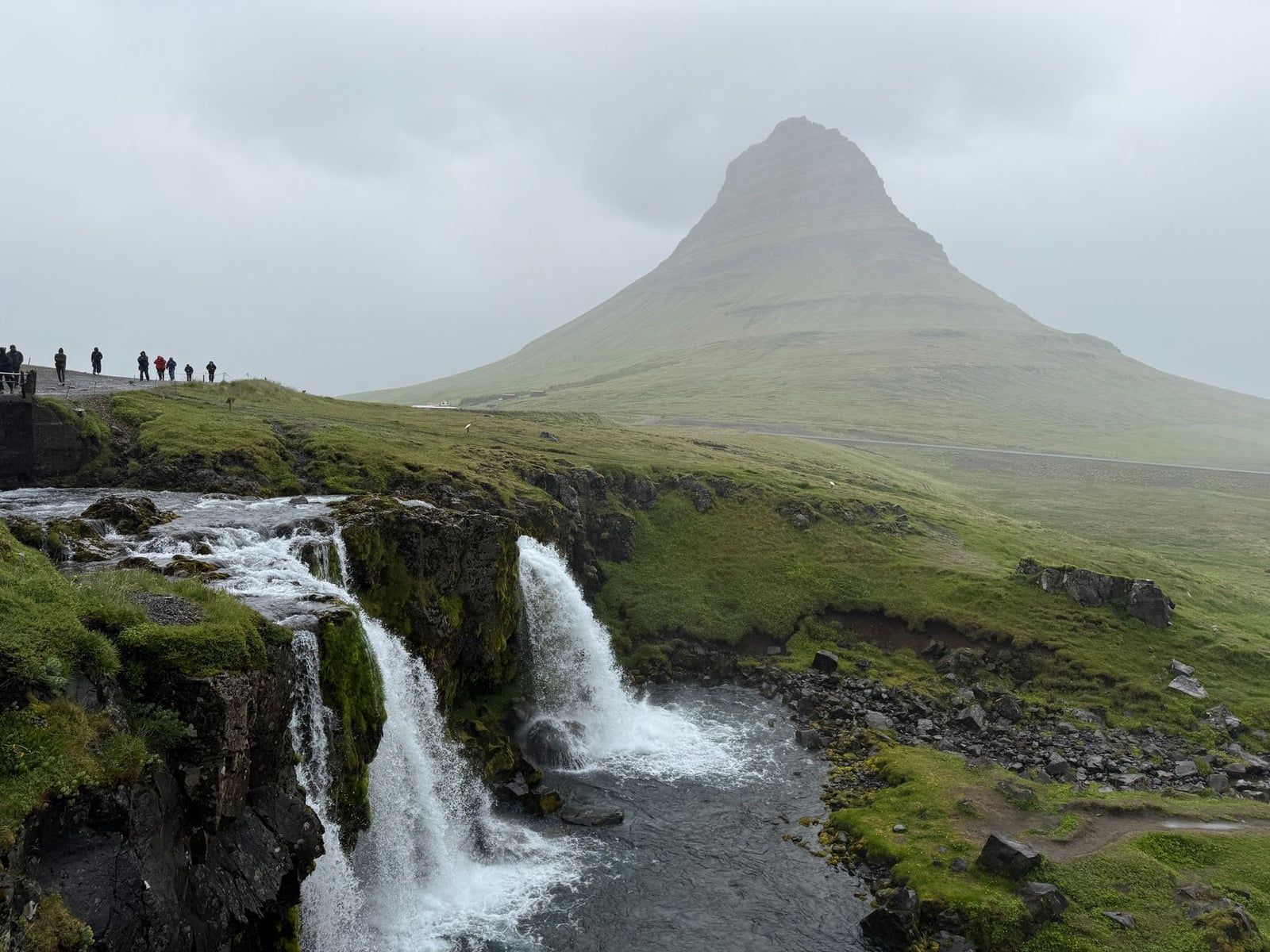
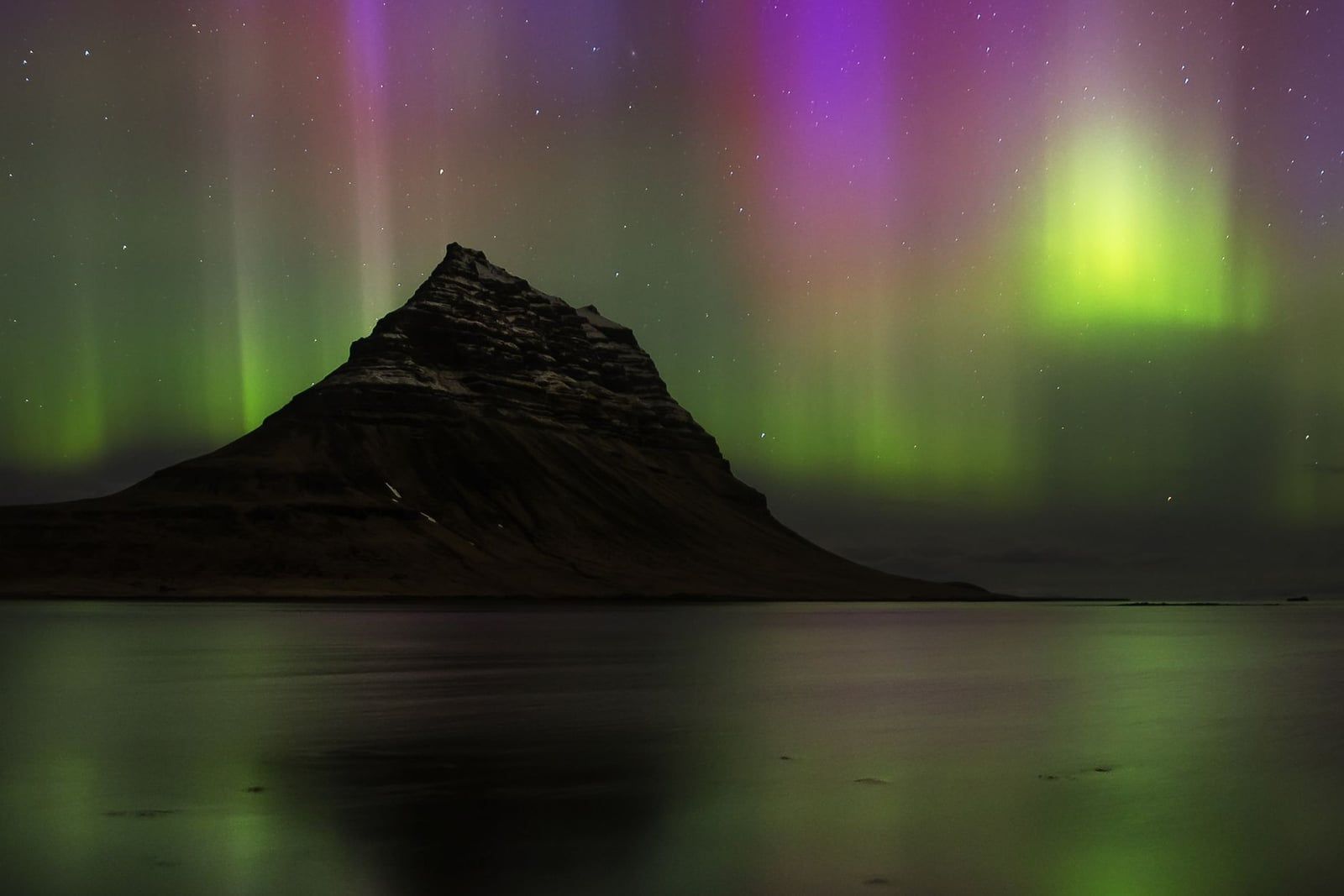
Grundarfjörður sits directly below Kirkjufell, the 463-metre peak that is Iceland's most photographed mountain. Stay here and you can shoot the classic Kirkjufellsfoss composition at sunrise, sunset, or under the northern lights without driving anywhere — which matters, since the best light and the aurora both tend to appear when you least want to be in a cold car. From September to March the lights frequently swirl directly behind the peak; in winter, guests at the right properties watch it happen from their rooms.
The town is the peninsula's second-biggest settlement, with a supermarket and several places to eat, and its accommodation stock is mostly simple guesthouses — which makes it the cheapest full-service base. Kirkjufell Guesthouse is the pick for photographers: modern self-catering rooms and apartments for up to four, with Kirkjufell views and, in winter, auroras from your room. The Old Post Office Guesthouse is 0.2 km from the centre and rated 9.0 on Booking.com. For a plain hotel bed, Kirkjufell Hotel/Framnes does the job without fuss.
Its north-shore position also makes Grundarfjörður the natural anchor for a two-night loop: you can day-trip the south coast and still sleep cheap beside Kirkjufell. That's the move for most first-time visitors. For deeper aurora planning, our northern lights guide for Snaefellsnes covers forecasting and dark-sky spots.
Arnarstapi and Hellnar: Best for Coastal Scenery and the National Park
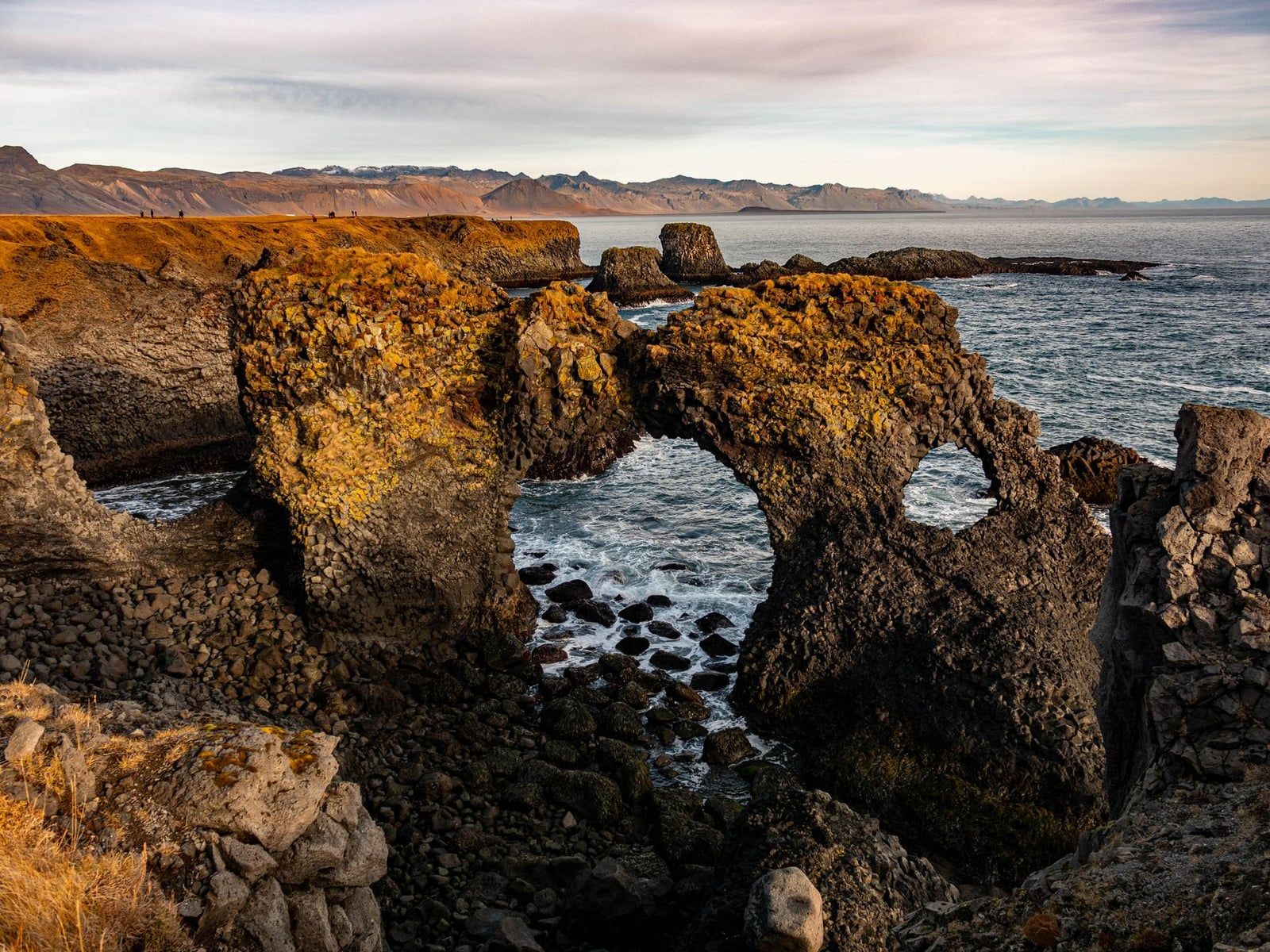
Arnarstapi and Hellnar are the most scenic addresses on the peninsula — two old fishing villages joined by a clifftop path of roughly 5 km, past the Gatklettur sea arch, with seabird colonies below and the glacier above. It's one of Iceland's best coastal walks, and it starts at your door. These are also the villages closest to the southern side of Snæfellsjökull National Park, putting Djúpalónssandur, Saxhóll and the Lóndrangar sea stacks within a short drive.
The reason to sleep here rather than day-trip in: the villages empty out. Day-trippers from Reykjavík arrive mid-morning and leave by late afternoon; overnight guests get the cliffs, the path and the evening light to themselves. That quiet is the product, and it's worth paying for.
Now the catch — services. These are tiny settlements with a couple of cafés and small restaurants, mostly open in daytime and high season only. Plan dinner before you arrive, either at your hotel's restaurant or from your own groceries. Arnarstapi Hotel solves it with an on-site restaurant and rooms spread across separate little cottages, doubles, triples and family suites included. Fosshotel Hellnar, a 3-star hotel 1.5 km up the road, faces the ocean, runs its own restaurant, and tends to be slightly cheaper and quieter than Arnarstapi — pick it when the budget matters or Arnarstapi is full.
The Western End: Búðir, Ólafsvík and Hellissandur/Rif
The western third of the peninsula is where most guides go quiet. It shouldn't — it holds the splurge stay, the practical west-coast town, and the cheapest beds on the loop.
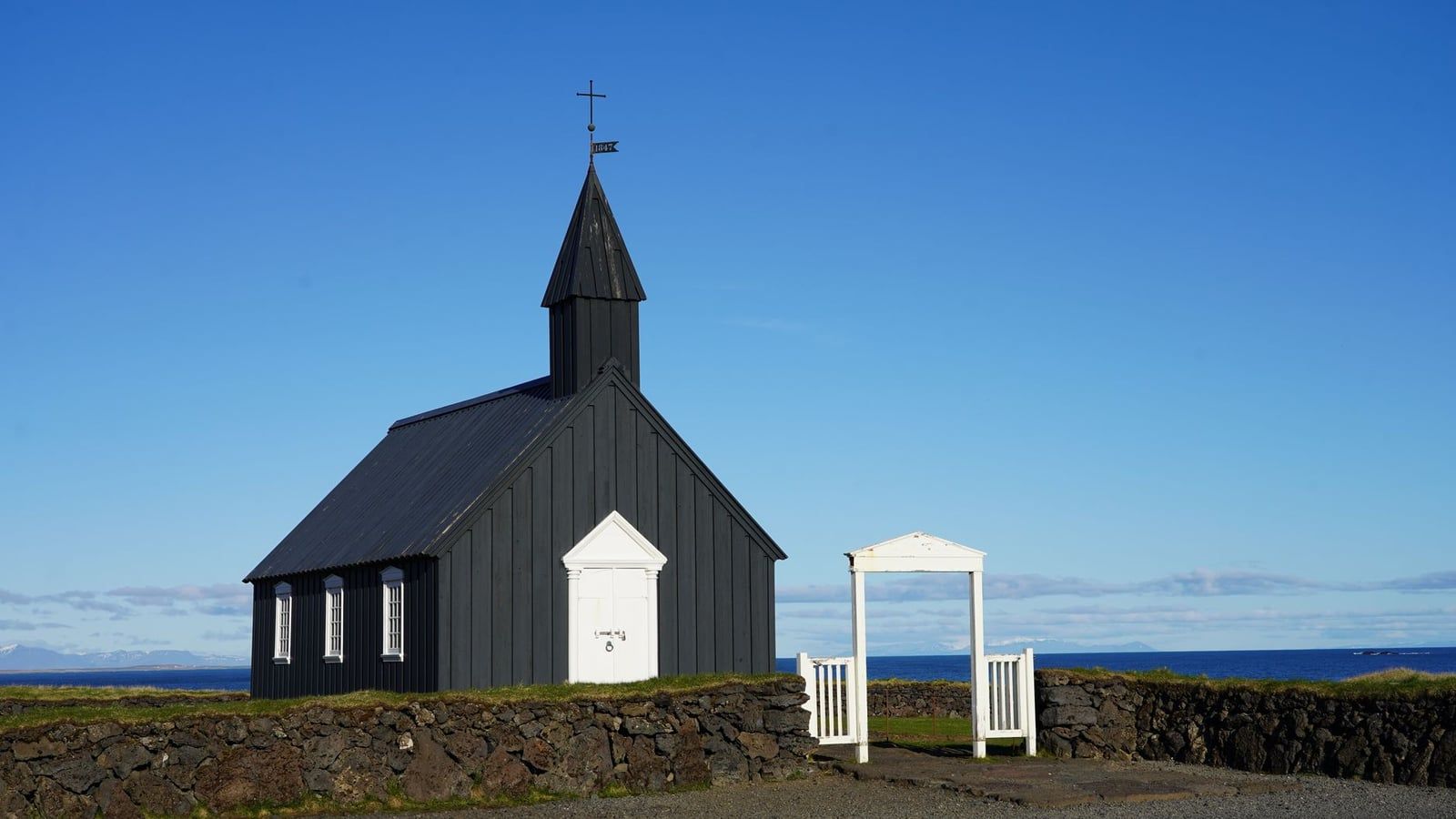
Búðir isn't a village at all, just a hotel and a church on a lava field by the sea. Hotel Búðir first opened in 1948 on the site of a 17th-century trading post, and beside it stands Búðakirkja, the black timber chapel whose origins trace to 1703 — one of Iceland's most photographed buildings. The hotel is the peninsula's splurge: restaurant, remote setting, no light pollution for miles. Summer weekends book out 3 to 6 months ahead; midweek summer and winter dates are easier. Book early or don't bother.
Ólafsvík is the working town on the western tip — harbour, shops, whale-watching tours departing from the docks, and quick access to the national park's western side. It suits travellers who want a real town near the park without Stykkishólmur's distance. Rif and Hellissandur, just north of it, are the budget-and-culture stop: The Freezer Hostel occupies a former fish factory with dorm and private rooms plus a theatre and cultural centre, and simple apartments round out the stock. Hellissandur also hosts one of the national park's year-round visitor centres.
Between the towns, the countryside itself is a base. Lýsuhóll, a farm guesthouse on the south coast, has its own natural geothermal swimming pool, home-cooked food and horses — a genuinely Icelandic overnight, and a dark-sky one. Farm and cottage stays like this are the answer when the villages are full, which in July they will be.
Borgarnes: The Practical Base Just Outside the Peninsula
Borgarnes sits on the Ring Road where Route 54 branches off toward the peninsula, about 1h10 from Reykjavík and home to around 3,750 people — the biggest town in the area. It has large supermarkets, a good spread of restaurants, a communal pool, and hotel prices noticeably lower than on the peninsula itself. From its hotels, the main sights are 1–2 hours' drive away.
So it's a one-day base, not a peninsula base. Borgarnes makes sense if you're giving Snaefellsnes a single day inside a larger Ring Road itinerary and want cheap beds plus a supermarket run; it doesn't make sense if you're staying overnight on the peninsula anyway, because you'd add roughly an hour of driving each way and give up your evenings near the scenery. The honest rule: sleep on the peninsula unless logistics force you off it.
If Borgarnes fits your plan: Hotel Hamar sits about 4 km from the centre on the golf course, with an outdoor sauna and hot tubs (rooms take one or two people only). Hotel Vesturland and B59 cover the mid-range and budget ends of town, and there's a guesthouse option cheaper still.
Stays by Travel Style: Budget, Self-Catering, Farm Stays and Camping
Budget beds run from roughly ISK 8,000–24,000 per night, and on Snaefellsnes that band buys real options: a dorm or private room at The Freezer Hostel in Rif, or a guesthouse room with a shared bathroom in Grundarfjörður or Stykkishólmur. Shared-bathroom guesthouses are the peninsula's workhorse accommodation — don't assume "guesthouse" means hostels; most are quiet family-run houses with a handful of rooms.
Self-catering suits families and groups best. Dís Cottages runs about ten self-service cabins with kitchenettes, 15 minutes from Kirkjufell and 10 from Grundarfjörður town — the dark skies here are as good as any aurora platform on the peninsula. Arnarstapi Cottages put the same formula beside the cliffs. At the top of the group scale, Miðhraun Lava Resort near Stykkishólmur rents rooms, apartments and whole houses sleeping up to 15, with a paid geothermal bath on site.
Farm stays are the quiet alternative: Lýsuhóll with its geothermal pool, and Helgafell's two small bungalows 6 km outside Stykkishólmur, which sell out at any time of year — book them the day your dates are fixed. Camping, finally, is possible but regulated: wild camping rules tightened after a 2013 law change, so use designated campsites such as Ólafsvík or Snorrastaðir Farm Holidays, and if you're touring Iceland for a while, the Camping Card network pays for itself within a few nights. Note that overnight camping inside the national park itself is not allowed.
How Long to Stay — and Where to Put Your Nights
Two nights — one full day — is the sensible minimum, and 2–3 days is better for going deeper. A day trip from Reykjavík is popular and doable, but the tours run 11–12 hours, and you'll see the loop's headline stops at a jog. If you're weighing it up, our day-trip-from-Reykjavík guide shows exactly what that pace feels like; tours from Reykjavík handle the driving if you'd rather not rent a car at all.
Where the nights go should follow the rest of your itinerary. Coming from Reykjavík and returning there: a single base, either Grundarfjörður or Arnarstapi, is enough for two nights. Connecting to the Westfjords: sleep in Grundarfjörður or Stykkishólmur the night before an early ferry sailing — one family of guidebook writers chose Grundarfjörður precisely to catch the morning boat, and it's a sound pattern. Continuing on the Ring Road: Borgarnes, with the peninsula as a one-day loop from there. Two nights and want variety: split it — one night on the south shore (Arnarstapi or Búðir), one on the north (Grundarfjörður or Stykkishólmur).
What does an extra night buy? The 45-minute Vatnshellir lava cave tour (adults ISK 5,900, book online ahead), a whale-watching trip from Ólafsvík, a full morning on the Arnarstapi–Hellnar–Djúpalónssandur trails, and photography at both ends of the day instead of one. On a peninsula this small, the difference between one night and three is the difference between seeing it and knowing it.
Booking, Prices and Seasons: Tips Before You Reserve
Budget in Icelandic kronur, per night, for a double: dorms and shared-bathroom guesthouses from roughly ISK 8,000–24,000; mid-range hotels ISK 28,000–55,000; splurge stays ISK 60,000 and up. June–August adds a premium of 40–60% over winter rates, with Hotel Búðir and Hótel Framnes filling weeks or months in advance. Book the moment you know your dates — in high season, peninsula accommodation sells out long before you'd expect for villages this small.
Winter reshapes the map. Many rural and seasonal properties close from October through April, leaving Stykkishólmur and Grundarfjörður as the primary year-round options — check opening dates before booking any remote cottage, and check road conditions daily if you're driving. Winter also brings the aurora: the season runs September to March, new-moon windows are the best bets, and a rural stay with clear sightlines beats any town. Grundarfjörður, Dís Cottages and the farm stays are the strongest dark-sky picks. Our winter guide to Snaefellsnes covers driving, daylight and what stays open.
Four things to confirm before you hit reserve:
- Cancellation terms — Iceland itineraries change with the weather.
- Bathroom type — shared vs. private is the biggest price lever.
- Dinner options — is anything open near you, in your month?
- Winter opening — many rural properties close October–April.
Entry itself is free, and the national park is open 24/7 year-round — but parking inside Snæfellsjökull National Park costs ISK 1,100 per car, valid until midnight park-wide, so one payment covers every lot on your day's circuit. Details and seasonal hours for the visitor centres are in our hours-and-fees guide.
Frequently asked questions
Is it worth staying overnight on Snaefellsnes, or is a day trip from Reykjavik enough?
A day trip runs 11–12 hours, with roughly 2.5 hours of driving each way from Reykjavík to the south shore — you'll rush every stop. Most writers who know the region agree two or more days are needed to see it properly, so overnight if you can.
How many nights do you need in Snaefellsnes?
Two nights, giving you one full day, is the minimum for a satisfying visit. Move to 3–4 nights if you want hiking, a glacier tour, whale watching from Ólafsvík, or photography in the best light.
What is the best town to stay in on Snaefellsnes?
Stykkishólmur for services, restaurants and the ferry; Grundarfjörður for Kirkjufell and budget guesthouses; Arnarstapi or Hellnar for coastal scenery and national-park access.
Where should I stay in Snaefellsnes to see the northern lights?
The season runs September to March, and rural accommodation away from town lights is the play: the Grundarfjörður area, Dís Cottages, or a farm stay. New-moon windows give you the darkest skies.
Do you need a car to stay in Snaefellsnes?
Effectively, yes. There's no airport, and the only public bus (Route 58) connects towns but none of the sights. Guided day tours from Reykjavík exist, but for an overnight stay you need a rental car.
What's the cheapest accommodation on Snaefellsnes?
The Freezer Hostel in Rif has dorms from around ISK 8,000, and shared-bathroom guesthouses in Grundarfjörður and Stykkishólmur keep things cheap. Campsites are the cheapest of all — the Camping Card covers a network of sites on longer trips.
Can you stay on Snaefellsnes in winter?
Yes, but your options narrow. Many rural and seasonal properties close from October through April, leaving Stykkishólmur and Grundarfjörður as the primary winter bases. Always confirm opening dates before booking remote cottages.
Is Borgarnes a good base for visiting Snaefellsnes?
It works for a one-day visit inside a Ring Road itinerary — hotels cost less and the supermarkets are big — but it adds roughly an hour of driving each way to the main sights. If you're staying on the peninsula anyway, skip it.